
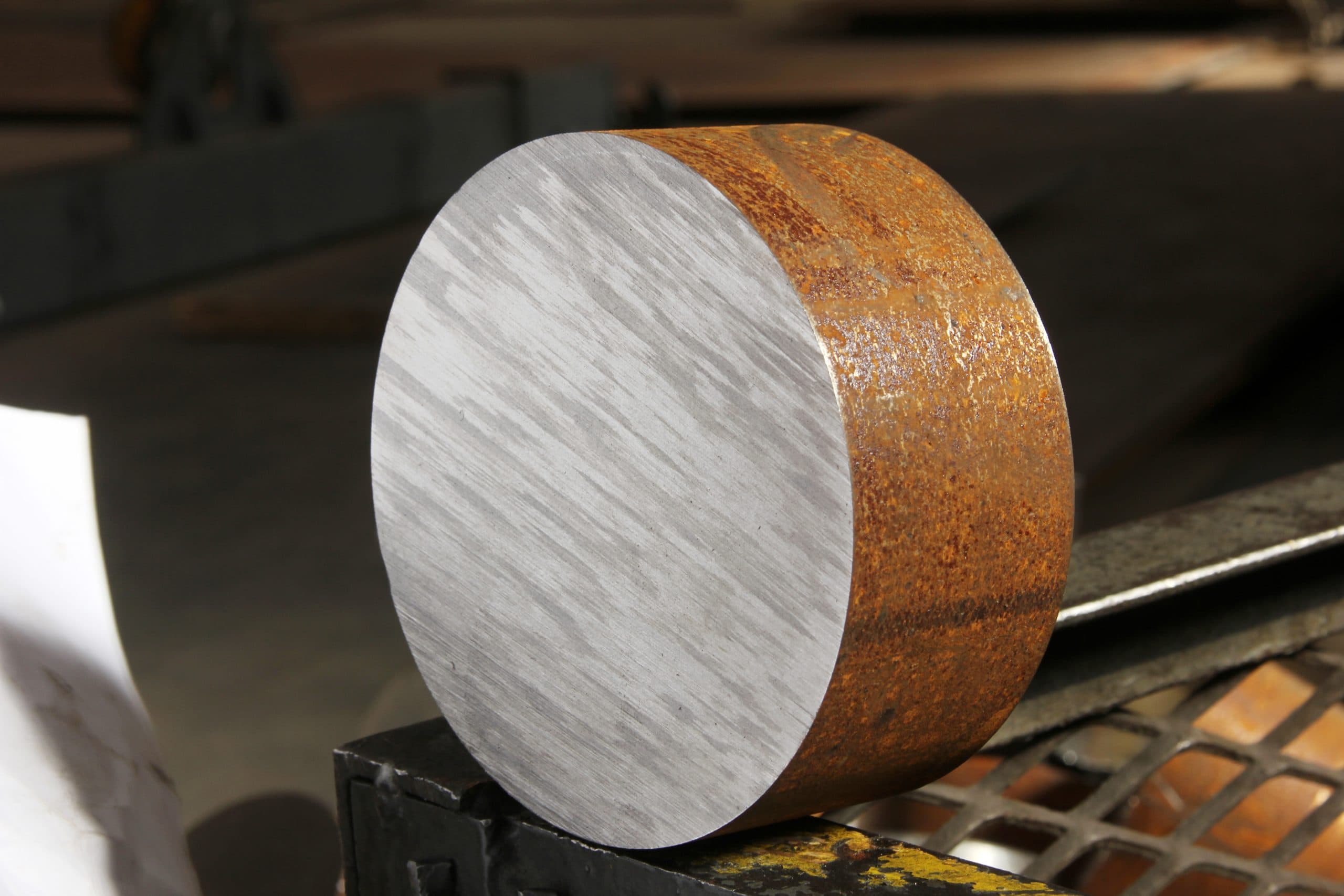
Does Extruded Aluminum Rust? Corrosion, Anodizing & Paint
12 January 2026If you work with aluminum profiles or are considering them for your next project, you’ve probably wondered: does extruded aluminum rust? The short answer is no, aluminum does not rust — but that doesn’t mean it’s completely immune to corrosion.
In this article, we’ll explain why aluminum behaves differently than steel, what types of corrosion you should know about, and how surface treatments like anodizing and paint can enhance its durability.
Why Aluminum Doesn’t Rust
Rust is the result of iron or steel oxidizing when exposed to oxygen and moisture. Since aluminum contains no iron, it cannot form rust. Instead, when exposed to air, aluminum quickly develops a thin, invisible layer of aluminum oxide.
This oxide layer is actually beneficial — it protects the underlying metal from further corrosion, which is why aluminum is considered highly corrosion-resistant.
Types of Corrosion in Aluminum
Even though aluminum doesn’t rust, it can still corrode under certain conditions:
- Pitting corrosion: Small holes form in the surface, often caused by saltwater exposure.
- Galvanic corrosion: Occurs when aluminum touches a more noble metal (like copper or stainless steel) in the presence of an electrolyte, causing the aluminum to corrode faster.
- Crevice corrosion: Happens in areas where moisture gets trapped, such as between overlapping joints.
Fortunately, these issues can often be prevented or minimized through proper design and surface treatment.
Anodizing: The Most Popular Protection
One of the best ways to protect aluminum extrusions from corrosion is anodizing. This electrochemical process thickens the natural oxide layer, making it:
- Harder and more wear-resistant
- Better at resisting pitting and corrosion
- Able to accept dyes for decorative finishes
Anodized aluminum is popular in architectural applications, outdoor equipment, and consumer products because of its durability and attractive appearance.
Painting and Powder Coating
Another option is painting or powder coating aluminum extrusions. Both methods add an additional protective barrier on top of the metal:
- Powder coating is durable, environmentally friendly, and available in many colors.
- Liquid paint offers more flexibility for touch-ups and small production runs.
Painted or powder-coated aluminum not only resists corrosion but also provides design flexibility with endless color options.
Best Practices for Preventing Corrosion
To ensure your aluminum extrusions last as long as possible:
- Keep them clean, especially in coastal or salty environments
- Avoid direct contact with dissimilar metals unless isolated with gaskets or coatings
- Choose anodizing or powder coating for outdoor or marine applications
- Design joints and fasteners to minimize moisture traps
Final Thoughts
So, does extruded aluminum rust? No — aluminum doesn’t rust, but it can corrode under certain conditions. By understanding how aluminum’s natural oxide layer works and using treatments like anodizing or painting, you can greatly extend its lifespan and maintain its appearance.
Whether you’re building structural frames, outdoor furniture, or custom components, knowing how to protect aluminum from corrosion will ensure your project performs for years to come.