
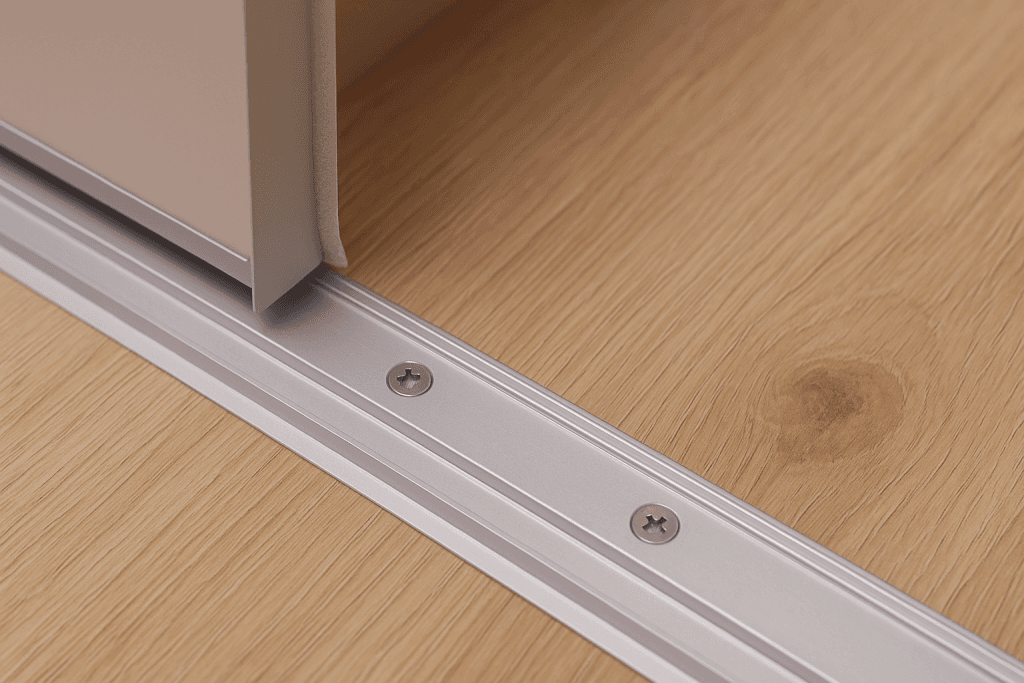
How to Attach Wood to Aluminum Extrusion (Cleanly & Securely)
11 July 2026T-slot aluminum extrusions are popular for frames, furniture, and enclosures — but sometimes you need to combine them with wood panels, tabletops, or decorative elements. Many builders and DIYers ask: how to attach wood to aluminum extrusion in a way that’s both strong and visually clean.
This guide walks through several proven methods, along with tips to ensure your connection is secure, easy to assemble, and professional-looking.
Why Combine Wood and Aluminum?
Pairing wood with aluminum extrusions offers the best of both worlds:
- Warmth & aesthetics: Wood brings a natural, finished look to industrial T-slot frames
- Strength & precision: Aluminum provides a rigid, modular structure
- Customization: Easy to create unique desks, cabinets, or display fixtures
Whether you’re building a workstation, shelving system, or custom furniture, attaching wood to aluminum extrusion is a practical solution.
Method 1: Using T-Slot Panel Clamps
The simplest and cleanest way to attach wood is by using T-slot panel clamps or panel holders:
- Slide the clamp into the extrusion’s T-slot
- Place the wood panel in position
- Tighten the set screw or bolt to secure
This method is ideal for removable panels or when you want to avoid drilling into the wood.
Method 2: Countersunk Screws & T-Nuts
If you want a flush, permanent connection:
- Mark and drill holes in the wood panel
- Use T-nuts or drop-in nuts that slide into the extrusion slot
- Fasten the panel with countersunk machine screws
This method gives a very clean, professional appearance with no exposed brackets.
Method 3: Angle Brackets or Corner Plates
For structural or load-bearing attachments:
- Attach angle brackets to the extrusion using T-nuts
- Screw the wood panel to the bracket with wood screws
This option is very secure and is recommended for attaching tabletops, shelving, or heavy panels.
Method 4: Adhesives for Seamless Joints
In some cases, you may want a completely hidden connection:
- Use a high-strength construction adhesive or epoxy designed for bonding wood to metal
- Ensure both surfaces are clean and dry before applying
- Clamp until the adhesive cures fully
Adhesive bonding works best for decorative panels where disassembly is not required.
Pro Tips for a Clean and Secure Attachment
- Pre-finish your wood: Stain, seal, or paint before installation to avoid getting finish on the aluminum
- Account for wood movement: Leave a small gap for expansion if your project is exposed to humidity
- Use matching hardware: Stainless or black oxide screws give a professional look
- Test fit first: Ensure everything aligns before final tightening or gluing
When to Talk to Your Extrusion Supplier
If you plan to combine wood and aluminum frequently, consider working with a custom extrusion supplier who can:
- Design profiles with integrated panel slots sized perfectly for your wood thickness
- Recommend the best fasteners and hardware for your project
- Help reduce assembly time and ensure consistent results
This is especially valuable for production furniture, fixtures, or retail displays where repeatability and assembly efficiency matter.
Final Thoughts
So, how to attach wood to aluminum extrusion? The best method depends on your project’s needs for strength, appearance, and flexibility. T-slot panel clamps work great for quick installs, countersunk screws offer a clean and sturdy connection, and adhesives can provide a seamless finish.
By combining the warmth of wood with the precision of aluminum extrusions — and using the right attachment method — you can create furniture, workstations, or enclosures that look great and perform for years.