
How to Connect Aluminum Extrusions: Mechanical Fastening, Welding, and Adhesive Bonding
25 December 2025Aluminum extrusions are widely used in construction, manufacturing, automotive, aerospace, and DIY projects because of their strength-to-weight ratio, corrosion resistance, and versatility. But one of the most common questions people ask is: how to connect aluminum extrusions?
There are three main methods: mechanical fastening, welding, and adhesive bonding. Each has its own advantages depending on the application, budget, and structural requirements.
1. Mechanical Fastening
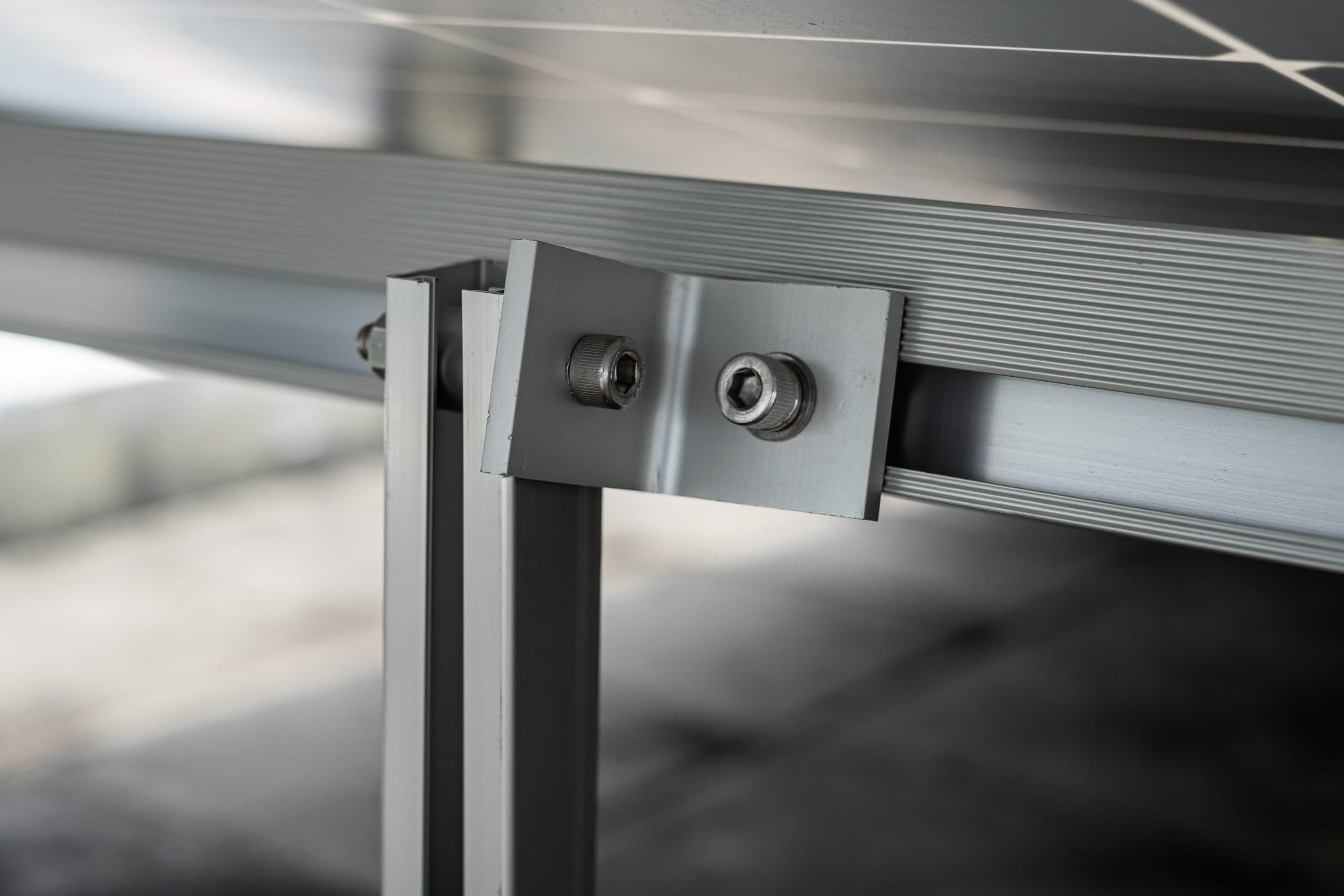
Mechanical fastening is the most common and versatile way to connect aluminum extrusions. This involves using screws, bolts, brackets, T-nuts, or specialized joining plates.
Advantages:
- Easy to assemble and disassemble
- Minimal specialized equipment required
- Ideal for modular projects or structures that may need reconfiguration
- Cost-effective for both small-scale and industrial use
Applications:
- Aluminum framing systems
- Workstations and machine guards
- Furniture and shelving systems
If you’re looking for a flexible, non-permanent solution, mechanical fastening is often the best way to connect aluminum extrusions.
2. Welding Aluminum Extrusions
For permanent and high-strength joints, welding is another option. Aluminum can be welded using MIG (Metal Inert Gas) or TIG (Tungsten Inert Gas) welding techniques. Proper preparation, including surface cleaning and choosing the right filler material, is critical for a strong weld.
Advantages:
- Creates a seamless, permanent connection
- Excellent strength and rigidity
- Suitable for heavy-duty or structural applications
Challenges:
- Requires skilled labor and specialized equipment
- Not easily reversible
- Heat can affect the extrusion’s properties if not done carefully
Welding is ideal when strength and permanence are top priorities in connecting aluminum extrusions.
3. Adhesive Bonding
A lesser-known but increasingly popular method is adhesive bonding. Structural adhesives, such as epoxy or acrylic-based options, can create strong and durable bonds without mechanical stress points.
Advantages:
- Smooth, clean appearance without visible fasteners
- Good for lightweight or aesthetic applications
- Can bond different materials together (e.g., aluminum to composites or plastics)
Considerations:
- Requires proper surface preparation for maximum strength
- Curing times may vary
- Not suitable for applications with very high mechanical loads unless combined with other joining methods
Adhesive bonding is particularly useful for industries where design and aesthetics matter, such as consumer products, automotive, and aerospace components.
Choosing the Best Method to Connect Aluminum Extrusions
When deciding how to connect aluminum extrusions, consider the following:
- Load requirements: Will the connection bear heavy loads? Welding may be better.
- Flexibility: Do you need to disassemble or reconfigure? Mechanical fastening is best.
- Aesthetics and materials: Want a seamless finish? Adhesive bonding could be ideal.
- Budget and skill level: Mechanical fastening requires the least specialized knowledge, while welding demands the most.
Final Thoughts
Aluminum extrusions are incredibly versatile, and choosing the right joining method—whether mechanical fastening, welding, or adhesive bonding—depends on your project’s needs. By understanding the strengths and trade-offs of each method, you can make the best choice for durability, cost, and performance.
If you’ve been wondering how to connect aluminum extrusions, now you know the three most effective ways to get it done.