
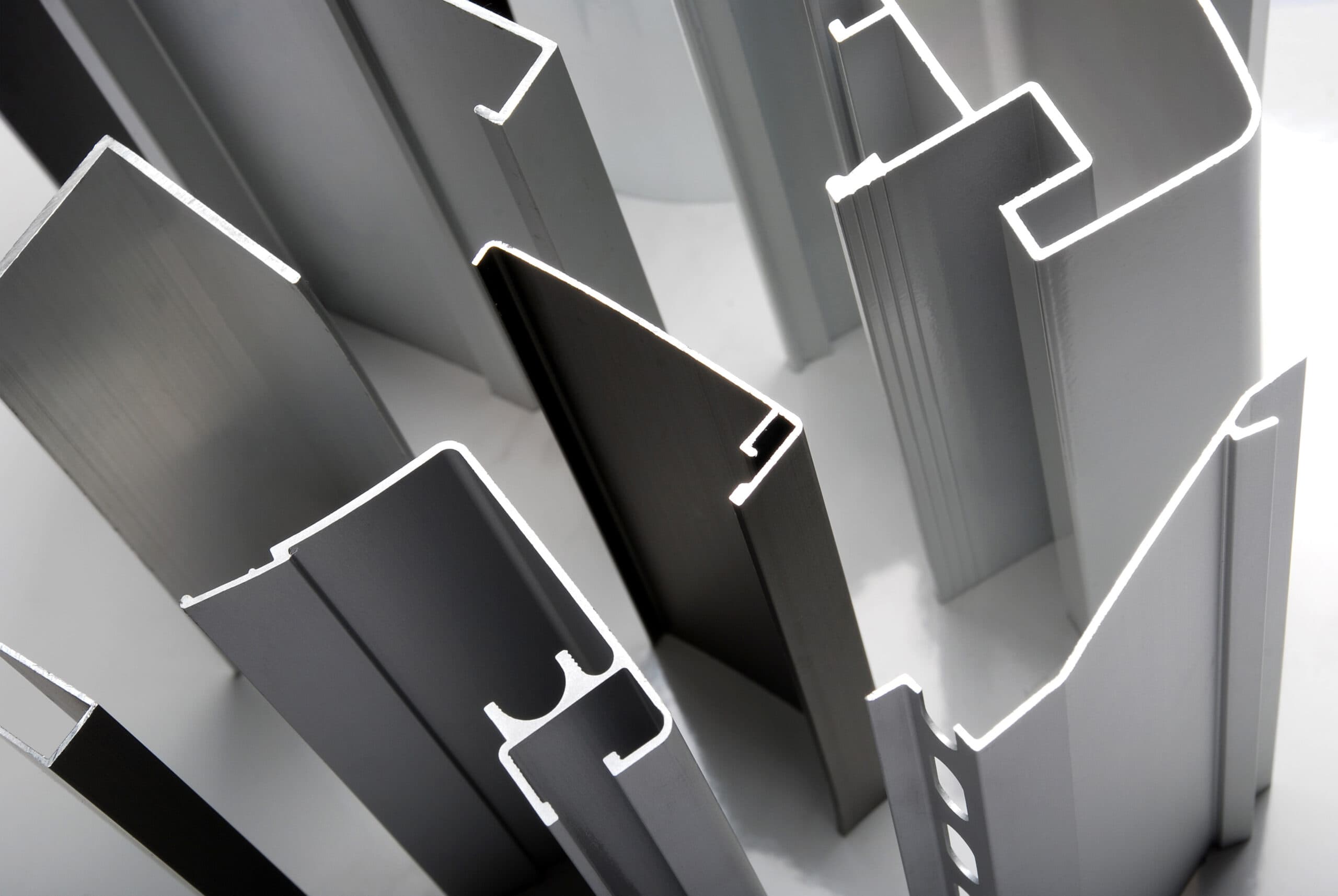
How to Design Aluminum Extrusions for Faster Production and Lower Costs
27 October 2026Custom aluminum extrusions offer engineers tremendous flexibility. Complex geometries, lightweight strength, corrosion resistance, and near-net-shape manufacturing make extrusion one of the most efficient ways to produce aluminum components at scale.
However, not all extrusion designs are equally manufacturable.
A profile that looks simple in CAD may be extremely difficult — and expensive — to produce in reality. Poor extrusion design can lead to:
- longer lead times
- higher tooling costs
- slower press speeds
- dimensional instability
- increased scrap
- expensive secondary operations
On the other hand, profiles designed with extrusion manufacturability in mind can significantly improve:
- production speed
- tooling life
- yield
- dimensional consistency
- total part cost
Understanding how extrusion design affects manufacturing is one of the best ways engineers can reduce overall production costs while improving supply chain efficiency.
Why Extrusion Design Matters
Unlike machining or fabrication, aluminum extrusion involves forcing heated aluminum billet through a precision steel die under extremely high pressure.
The shape of the profile directly impacts:
- metal flow
- die stress
- cooling rates
- straightness
- wall stability
- extrusion speed
- tooling complexity
Even small design changes can dramatically improve manufacturability.
In many cases, optimizing an extrusion profile early during development can:
- shorten tooling lead times
- improve press productivity
- reduce scrap
- eliminate secondary operations
- lower total landed cost
Design Simplicity Often Reduces Cost
One of the biggest drivers of extrusion cost is profile complexity.
More complex profiles typically require:
- more advanced tooling
- slower extrusion speeds
- additional die correction
- increased process control
- more inspection requirements
Whenever possible, engineers should simplify profile geometry without sacrificing functionality.
Common ways to simplify extrusion designs include:
- reducing unnecessary detail
- minimizing sharp corners
- standardizing wall thickness
- simplifying hollow sections
- avoiding excessive asymmetry
Simpler profiles are generally:
- easier to extrude
- faster to produce
- more dimensionally stable
- less expensive to tool
Uniform Wall Thickness Improves Extrudability
Wall thickness variation is one of the most common issues affecting extrusion manufacturability.
Large differences in wall thickness can create uneven metal flow during extrusion, which may lead to:
- twisting
- bowing
- dimensional instability
- surface defects
- inconsistent cooling
Whenever possible, engineers should design profiles with relatively uniform wall thicknesses.
Profiles with balanced wall sections typically:
- extrude faster
- cool more consistently
- maintain tighter tolerances
- reduce die correction requirements
Extremely thin walls can also reduce extrusion speed and increase scrap rates if not properly designed.
Sharp Corners Increase Tooling Stress
Sharp internal corners create stress concentrations inside the extrusion die.
This can lead to:
- shorter die life
- slower production speeds
- increased risk of die breakage
- poor metal flow
Adding generous radii to corners improves:
- metal flow consistency
- die durability
- surface finish quality
- overall manufacturability
Rounded corners also often improve structural performance and reduce stress concentrations within the final product itself.
Hollow Profiles Increase Complexity
Hollow extrusions require significantly more complex tooling than solid profiles.
Hollow dies use internal mandrels and bridge tooling systems that are more difficult to manufacture and maintain.
Although hollow profiles are often necessary, engineers should carefully evaluate:
- the number of hollows
- wall balance
- void size
- bridge support requirements
- tongue ratios
Excessively complicated hollow designs can increase:
- tooling lead times
- die correction work
- production instability
- overall manufacturing costs
One of the most important concepts in extrusion design is tongue ratio.
Understanding Tongue Ratios
A tongue ratio compares:
- the depth of a profile feature
relative to - the opening width at the die face
High tongue ratios create weak sections within the tooling that are more prone to:
- die deflection
- breakage
- poor metal flow
- dimensional instability
Profiles with extreme tongue ratios may require:
- slower press speeds
- additional die support
- tighter process control
- more frequent tooling maintenance
Reducing tongue ratios whenever possible can improve both productivity and tooling life.
Symmetry Improves Straightness and Stability
Symmetrical profiles generally extrude more consistently than asymmetrical designs.
Uneven mass distribution can create:
- unbalanced metal flow
- twisting
- camber
- bowing
- cooling distortion
Balanced profile geometry helps improve:
- straightness
- dimensional stability
- extrusion speed
- consistency across production runs
If asymmetry is unavoidable, experienced extrusion suppliers can often recommend design modifications to improve manufacturability.
Designing for Faster Extrusion Speeds
Extrusion press speed directly affects manufacturing efficiency.
Profiles that extrude slowly:
- consume more press time
- increase labor cost
- reduce plant throughput
- increase conversion cost
Several factors can slow extrusion speed, including:
- thin walls
- extreme tongue ratios
- excessive complexity
- difficult alloys
- poor wall balance
Designing profiles specifically for higher press speeds can significantly reduce overall production costs.
Reduce Secondary Operations Whenever Possible
One of the biggest opportunities for cost reduction is minimizing secondary fabrication.
Extrusions are highly effective for near-net-shape manufacturing, meaning many functional features can be built directly into the profile itself.
Well-designed profiles may eliminate or reduce:
- welding
- machining
- assembly
- fastening
- drilling
- tapping
Integrated features can include:
- screw ports
- snap fits
- mounting rails
- channels
- hinge features
- locating surfaces
Reducing downstream fabrication often creates much larger savings than reducing raw material costs alone.
Alloy Selection Affects Manufacturability
Different aluminum alloys extrude very differently.
For example:
- 6063 generally extrudes faster and with better surface finish
- 6061 offers higher strength but is more difficult to extrude
- harder alloys may require slower press speeds and more robust tooling
Choosing the correct alloy requires balancing:
- strength requirements
- corrosion resistance
- machinability
- thermal performance
- manufacturability
In many applications, slightly modifying alloy requirements can substantially reduce production cost.
Overly tight tolerances are a common driver of unnecessary cost.
Tolerances Should Match Functional Requirements
Many engineers specify tighter tolerances than the application actually requires, which can:
- slow production
- increase scrap
- require additional inspection
- reduce yield
Extrusion tolerances should be based on actual functional needs rather than arbitrary precision targets.
Collaborating with extrusion suppliers early in development can help establish realistic and cost-effective tolerance strategies.
Early Supplier Collaboration Is Critical
One of the best ways to improve extrusion manufacturability is involving the extrusion supplier early during product development.
Experienced extrusion engineers can help optimize:
- wall thickness
- tongue ratios
- profile balance
- tolerances
- alloy selection
- fabrication strategy
Small design adjustments made early in development often create substantial savings during long-term production.
Common Design Mistakes That Increase Cost
Some of the most common extrusion design mistakes include:
- unnecessary complexity
- extremely thin walls
- excessive tongue ratios
- sharp internal corners
- unrealistic tolerances
- poor symmetry
- designing features better suited for machining
- ignoring extrusion direction during design
Avoiding these issues can dramatically improve both manufacturability and lead times.
Frequently Asked Questions
What makes an aluminum extrusion expensive?
Complex geometry, thin walls, high tongue ratios, tight tolerances, difficult alloys, and excessive secondary operations all increase extrusion cost.
How can extrusion design reduce manufacturing costs?
Optimized profiles improve extrusion speed, reduce scrap, simplify tooling, minimize machining, and improve dimensional stability.
Why is wall thickness important in extrusion design?
Uneven wall thickness can create inconsistent metal flow, distortion, and slower production speeds.
What is near-net-shape extrusion?
Near-net-shape extrusion refers to designing profiles that closely match the final finished shape, reducing secondary fabrication requirements.
Conclusion
Designing aluminum extrusions for manufacturability is one of the most effective ways to reduce production costs and improve supply chain performance.
Profiles optimized for extrusion can:
- extrude faster
- reduce tooling wear
- improve dimensional consistency
- lower scrap rates
- shorten lead times
- minimize secondary fabrication
As manufacturers continue prioritizing efficiency, reshoring, and cost reduction, engineers who understand extrusion design principles will be better positioned to develop competitive and scalable products.
Working closely with an experienced aluminum extrusion supplier early in the design process can often uncover significant opportunities to improve manufacturability while reducing total production cost.