
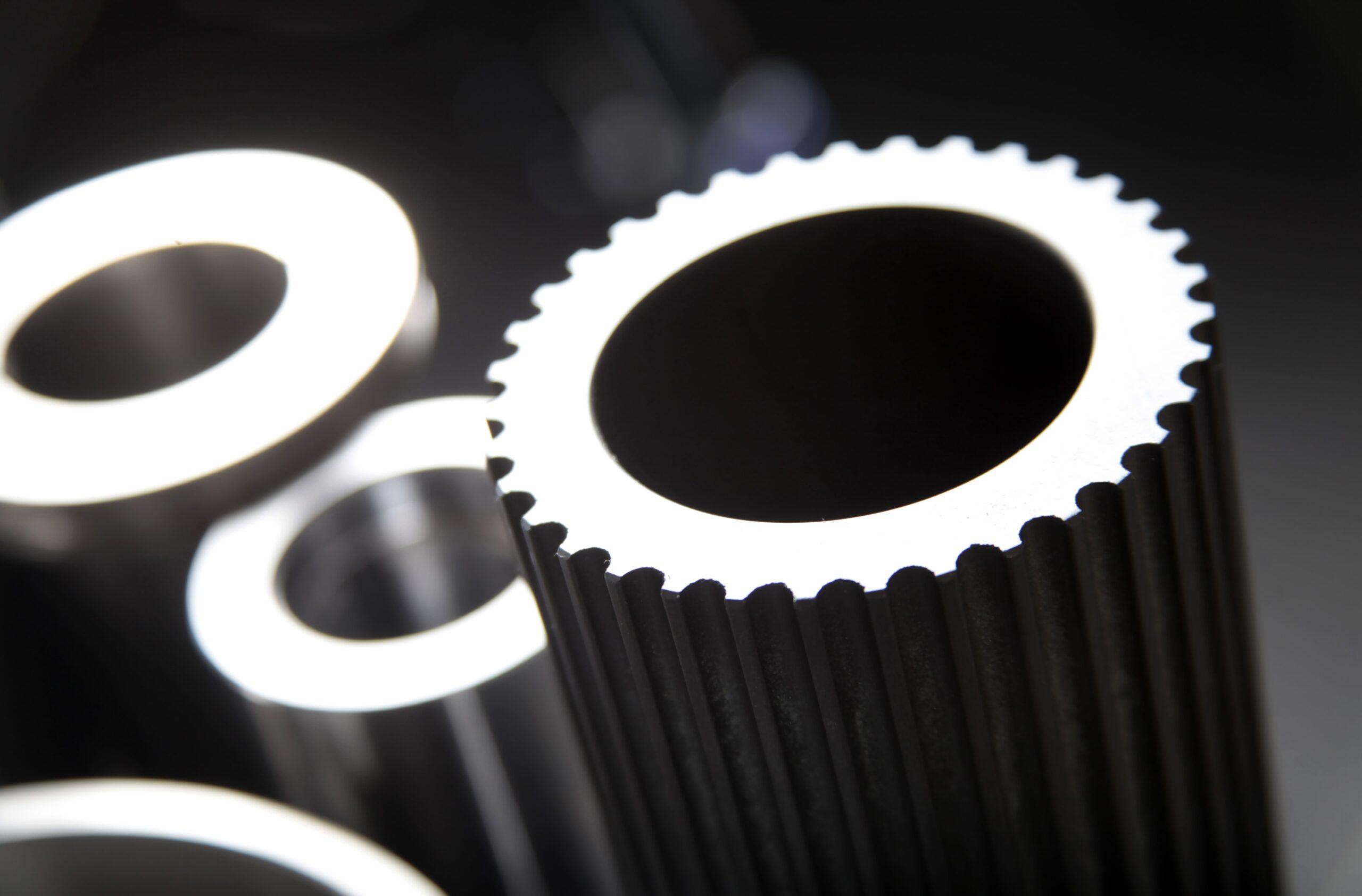
Near-Net Shape Aluminum Extrusions: Reducing CNC Machining Costs
14 November 2026As manufacturers continue facing rising labor costs, machining bottlenecks, and pressure to improve production efficiency, more engineers are turning to near-net shape aluminum extrusions as a way to reduce overall manufacturing cost.
Instead of machining large amounts of material away from a simple stock shape, near-net shape extrusion design allows manufacturers to produce profiles that closely resemble the final finished component directly from the extrusion press.
This approach can significantly reduce:
- CNC machining time
- material waste
- labor requirements
- tooling complexity
- assembly operations
- total production cost
For many OEMs, near-net shape aluminum extrusions have become one of the most effective ways to improve both manufacturing efficiency and supply chain scalability.
What Is Near-Net Shape Extrusion?
Near-net shape extrusion refers to designing an aluminum profile so that it closely matches the final part geometry before secondary machining or fabrication occurs.
Rather than starting with:
- flat bar
- plate
- solid extrusion
- or oversized stock material
engineers design custom extrusion profiles that integrate as many functional features as possible directly into the extrusion itself.
This minimizes the amount of post-processing required after extrusion.
The goal is simple:
reduce machining, reduce waste, and reduce cost.
Why CNC Machining Costs Continue Rising
CNC machining remains one of the most expensive portions of many aluminum component manufacturing processes.
Machining costs continue increasing due to:
- labor shortages
- rising machine rates
- longer cycle times
- increased complexity
- tooling wear
- operator availability
- energy costs
In many cases, companies are machining away large amounts of aluminum simply because the original profile was not optimized for extrusion manufacturing.
This creates unnecessary:
- scrap
- machine time
- labor cost
- production bottlenecks
Near-net shape extrusion helps solve this problem by shifting complexity from machining into the extrusion profile itself.
How Near-Net Shape Extrusions Reduce Machining Costs
1. Less Material Removal
Traditional machining often removes significant amounts of aluminum from oversized stock material.
Near-net shape extrusions reduce this waste by producing profiles that already contain much of the final geometry.
This means:
- less cutting
- less milling
- less drilling
- less pocketing
- less turning
Reducing material removal lowers:
- machining time
- tool wear
- scrap generation
- overall production cost
2. Faster CNC Cycle Times
Machining time is one of the largest contributors to part cost.
When extrusion profiles are optimized correctly, CNC machines spend less time:
- roughing material
- profiling edges
- cutting features
- drilling repetitive geometry
Even small reductions in machining cycle time can create major savings over long production runs.
For high-volume programs, reducing CNC time by even a few minutes per part can result in substantial annual cost reductions.
3. Reduced Tool Wear
Aggressive material removal increases:
- cutting tool wear
- insert consumption
- spindle load
- machine maintenance requirements
Near-net shape profiles reduce machining intensity, helping extend:
- cutter life
- tool consistency
- machine uptime
This improves both productivity and process stability.
4. Fewer Secondary Operations
Custom extrusions can integrate many functional features directly into the profile design.
These may include:
- screw ports
- wire channels
- mounting rails
- locating features
- hinge details
- grooves
- structural ribs
- snap-fit geometry
Integrating these features directly into the extrusion often eliminates additional fabrication steps such as:
- welding
- assembly
- fastening
- excessive machining
This helps reduce both labor cost and production complexity.
Examples of Near-Net Shape Extrusion Applications
Near-net shape extrusion is commonly used across many industries, including:
- AI infrastructure
- industrial automation
- transportation
- electrical systems
- renewable energy
- telecommunications
- architectural systems
Heat Sinks and Thermal Management
Extruded heat sinks are one of the best examples of near-net shape manufacturing.
Rather than machining fins from solid material, extrusion allows manufacturers to create:
- complex fin geometries
- cooling channels
- mounting features
directly during the extrusion process.
This dramatically reduces machining requirements while improving scalability.
Structural Framing Systems
Many aluminum framing systems integrate:
- T-slots
- fastener channels
- locating surfaces
- reinforcement ribs
directly into the profile.
Without extrusion, these features would require extensive machining or fabrication.
Electrical Enclosures
Near-net shape extrusions are commonly used to create:
- wire management features
- gasket grooves
- mounting bosses
- assembly interfaces
inside electrical enclosure systems.
This simplifies assembly while reducing part count.
Designing Extrusions for Near-Net Shape Manufacturing
Effective near-net shape design requires balancing:
- functionality
- manufacturability
- tooling complexity
- extrusion capability
Not every feature should automatically be added into the profile.
The most successful extrusion designs integrate features that provide meaningful reductions in downstream manufacturing cost without making the profile excessively difficult to extrude.
Features Commonly Integrated into Extrusions
Common near-net shape features include:
- screw bosses
- channels
- dovetails
- slots
- hinge features
- cable management paths
- snap-fit details
- alignment surfaces
- structural reinforcement
Integrating these features into the profile often reduces total part count and simplifies assembly.
The Tradeoff Between Extrusion Complexity and Machining Reduction
One important consideration is balancing extrusion complexity against machining savings.
Extremely complex profiles may:
- reduce extrusion speed
- increase tooling cost
- require tighter process control
- create dimensional challenges
In some cases, adding excessive complexity into the profile may cost more than the machining savings it creates.
The goal is optimization — not maximum complexity.
Experienced extrusion suppliers can help engineers determine:
- which features belong in the extrusion
- which features are better machined afterward
- how to balance total manufacturing cost
Why Near-Net Shape Extrusion Supports Reshoring
Near-net shape manufacturing also supports reshoring and domestic manufacturing initiatives.
By reducing:
- labor requirements
- machining time
- assembly complexity
companies can improve North American manufacturing competitiveness despite higher labor costs compared to overseas production.
This is especially important as manufacturers prioritize:
- shorter lead times
- supply chain resilience
- domestic sourcing
- reduced logistics risk
Near-net shape extrusion allows companies to improve efficiency while maintaining local manufacturing flexibility.
Near-Net Shape Extrusions and Automation
Automation is becoming increasingly important across manufacturing industries.
Near-net shape extrusion supports automation by:
- reducing manual fabrication
- improving part consistency
- simplifying assembly
- reducing variation
Profiles optimized for automation can significantly improve robotic assembly efficiency and reduce production bottlenecks.
Alloy Selection Matters
Different alloys offer different advantages for near-net shape extrusion.
6063 Aluminum
Often preferred for:
- complex profiles
- excellent surface finish
- high extrudability
- architectural and thermal applications
6061 Aluminum
Often selected for:
- higher structural strength
- industrial applications
- machined components
However, 6061 is generally more difficult to extrude than 6063.
Choosing the correct alloy requires balancing:
- strength
- machinability
- extrusion complexity
- thermal performance
- cost
Frequently Asked Questions
What is near-net shape extrusion?
Near-net shape extrusion refers to producing profiles that closely resemble the final part geometry, reducing the need for secondary machining and fabrication.
How do near-net shape extrusions reduce CNC costs?
They reduce material removal, shorten machining cycle times, decrease tool wear, and eliminate unnecessary secondary operations.
Are near-net shape extrusions more expensive?
Not necessarily. Although tooling may sometimes be more sophisticated, the reduction in machining, labor, and assembly costs often creates substantial overall savings.
What industries use near-net shape extrusions?
Common industries include:
- AI infrastructure
- industrial automation
- transportation
- telecommunications
- renewable energy
- electrical systems
- architectural products
Conclusion
Near-net shape aluminum extrusions are becoming increasingly important as manufacturers look for ways to reduce CNC machining costs, improve efficiency, and simplify production.
By integrating functional features directly into the extrusion profile, companies can significantly reduce:
- machining time
- material waste
- labor requirements
- assembly complexity
- total manufacturing cost
As labor shortages, automation demands, and reshoring initiatives continue reshaping manufacturing, near-net shape extrusion design offers engineers a powerful tool for improving scalability and long-term competitiveness.
For OEMs developing high-volume aluminum components, early collaboration with an experienced extrusion supplier can often uncover major opportunities to optimize manufacturability and reduce total production cost.